
Blog posts tagged "cloud-init"

Make reusable deployment templates for Landscape and other applications
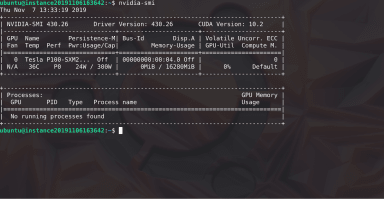
In recent reports, it is stated that datacenter-based GPU deployments is the fastest sector, and again, that’s no surprise. The cloud has had its own incredible growth over the years, and it’s only natural that these two technologies are starting to work in harmony. As a matter of fact, most public clouds have GPU offerings,

Private cloud, public cloud, hybrid cloud, multi-cloud… the variety of locations, platforms and physical substrate you can start a cloud instance on is vast. Yet once you have selected an operating system which best supports your application stack, you should be able to use that operating system as an abstraction layer between different c

This article originally appeared on Chad Smith’s blog Cloud-init published its second release of 2018: version 18.2. Among many notable features in the 18.1 release and the 18.2 release, the cloud-init team has been adding some polish to our CLI tooling to make cloud-init easier to inspect and interact with. I will give a run

This article originally appeared on Joshua Powers’ blog cloud-init + Multipass Multipass is a quick and easy way to launch virtual machine instances running Ubuntu. Cloud-init is the standard for customizing cloud instances and now Multipass can also make use of cloud-init to customize an instance during launch. Below is an example of lau
Just another reason why LXD is so awesome…You can easily configure your own cloud-init configuration into your LXD instance profile.In my case, I want cloud-init to automatically ssh-import-id kirkland, to fetch my keys from Launchpad. Alternat
Snappy Ubuntu Core was announced this week. In yesterday’s blog post (Snappy Ubuntu Core and uvtool) I showed how you can use uvtool to create and manage snappy instances.Now that we’ve got that covered, let’s look deeper into a very cool feature – the ability to customize the instance and automate its startup and configuration. For exa