
Blog posts tagged "snapcraft.io"

How are snaps different from debs? This is a common question that comes up in technical discussions in the Linux community, especially among developers and users who have just embarked on their snap journey and are interested in learning more details. Indeed, the introduction of self-contained application format likes snaps has created a

Sometimes, relationships just don’t work out. At first, it seemed that Xibo and Linux were made for each other. Xibo had a popular open source digital signage and player system, while Linux brought a community of enthusiastic users. Dan Garner of Xibo remembers why they broke up in 2015: “Releasing our player on Linux was

Overall, most Linux distributions offer sane, reasonable defaults that balance security and functionality quite well. However, most of the security mechanisms are transparent, running in the background, and you still might require some additional, practical software to bolster your security array. Back in July, we talked about handy produ

When users of your application range from high school students to expert data scientists, it’s often wise to avoid any assumptions about their system configurations. The Jupyter Notebook is popular with a diverse user base, enabling the creation and sharing of documents containing live code, visualisations, and narrative text. The app use

Depending on the audience, the discussion of software packaging elicits very different responses. Users generally don’t care how software is packaged, so long as it works. Developers typically want software packaging as a task to not burden them and just magically happen. Snaps aren’t magic, but aim to achieve both ease of maintenance and

Julia is an open source, high-level, general-purpose, dynamic programming language designed for numerical analysis and computational science, launched in 2012. It solves the “two language” problem: developers can use Julia for both computational and interactive work, instead of needing to work with two different languages which can often

Slow applications are never fun. But not knowing why an application is not behaving correctly can be even more frustrating. A well-designed system that can diagnose performance or startup issues and inform the user about the problem goes a long way toward mitigating the frustration, and may even help resolve the root cause altogether. Bac
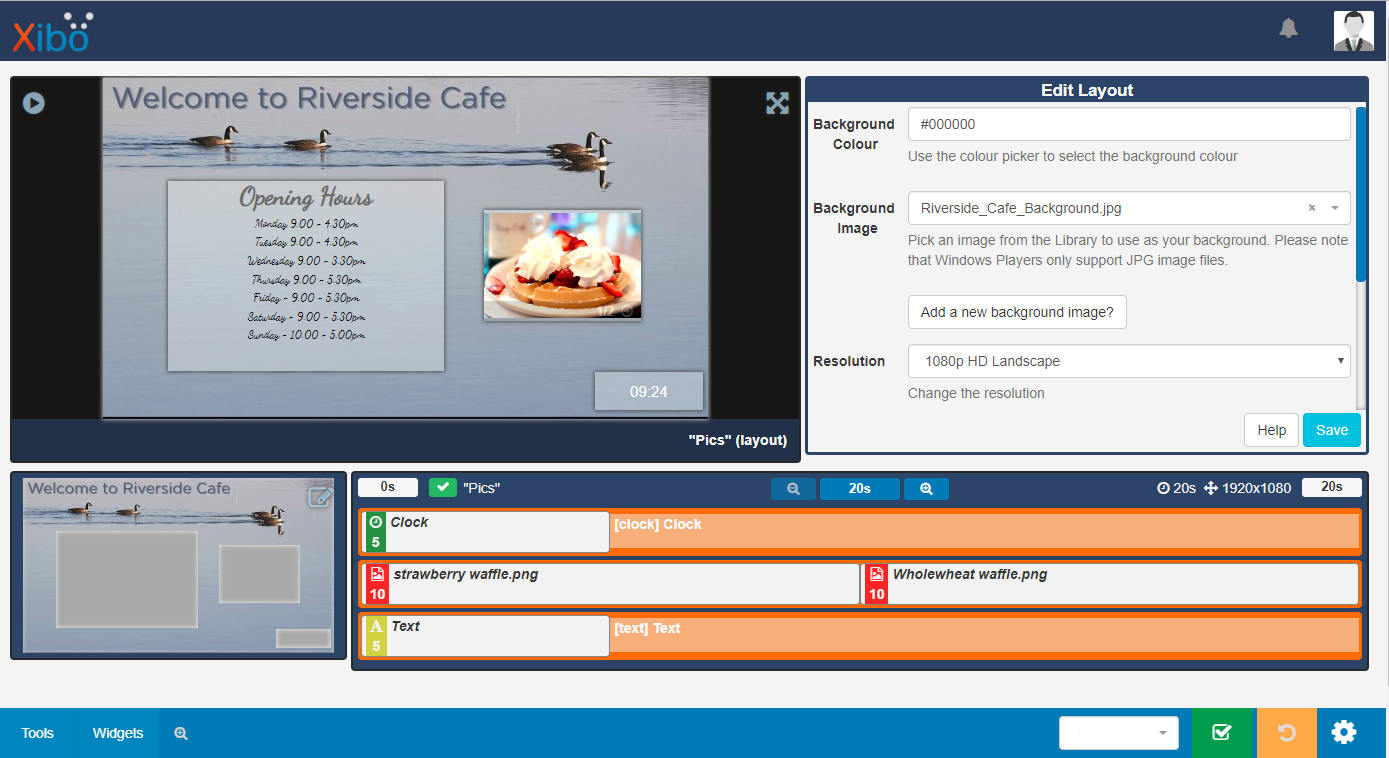
The open source digital signage platform, Xibo, is now available as a snap – the universal Linux app packaging format. Xibo provides a comprehensive suite of digital signage products, with its Content Management System (CMS) at the heart of this experience-led offering. Xibo for Linux is completely free and natively built for the Xibo CMS
Linux software developers historically have faced a number of challenges including fragmentation, distribution complexity and a lack of metrics into the success of their applications. Once an application is built, the journey does not end there – for companies and individual developers creating apps, thought needs to be given to promoting
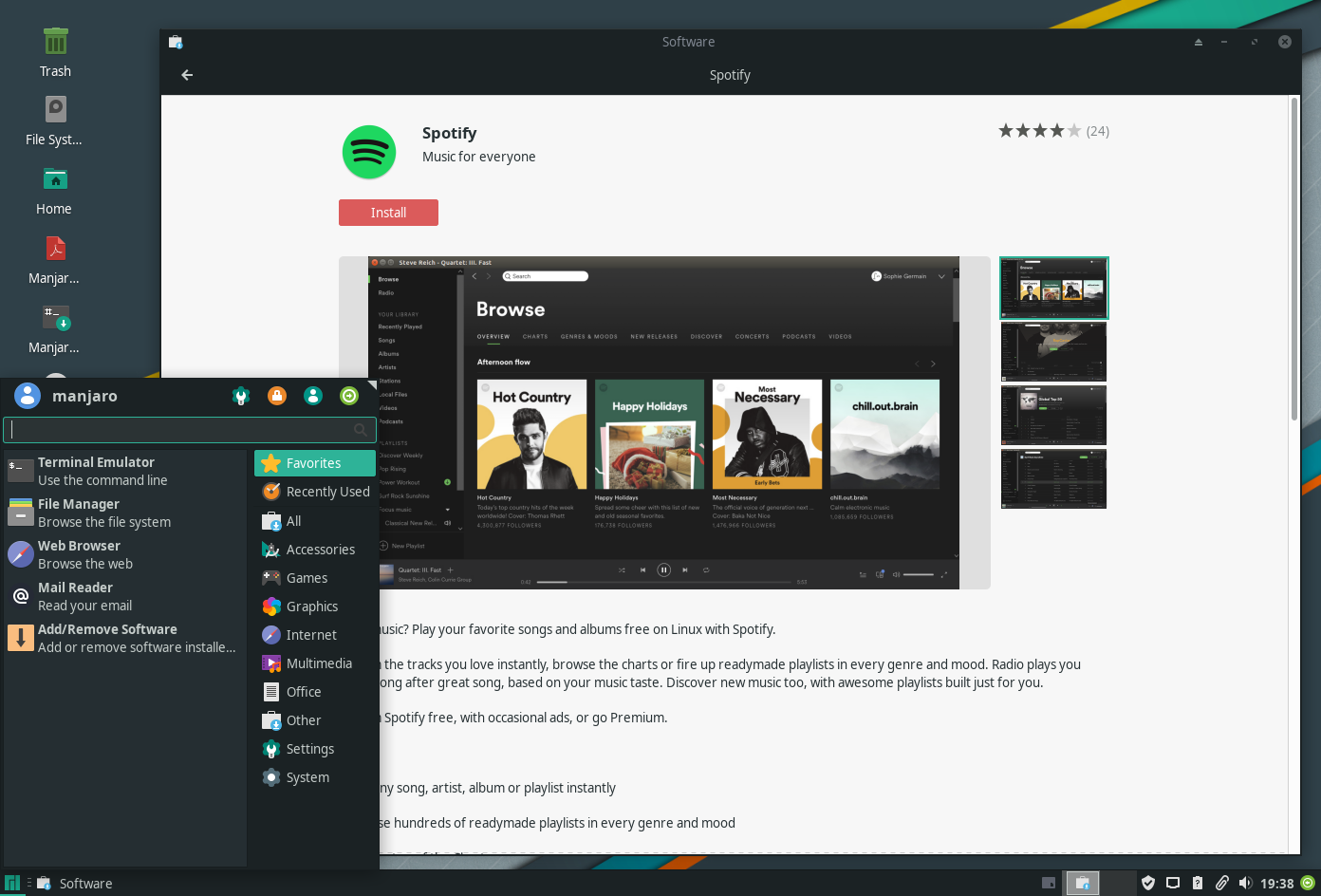
Linux distributions are all about freedom of choice for the end-user. However, there is a natural element of competition too. So, why did Philip Müller, one of the founders of the Manjaro distribution, come to the 2019 Snapcraft Summit in Montreal? There are several good reasons, according to Philip. First, he says, “Manjaro and Ubuntu

Discovery is an integral part of any store experience. Sometimes, you know what you want and need, and the experience can be short and transactional. On other occasions, you want to explore, and search for new things. This applies equally to shopping malls as it does to software. In this article, we would like to
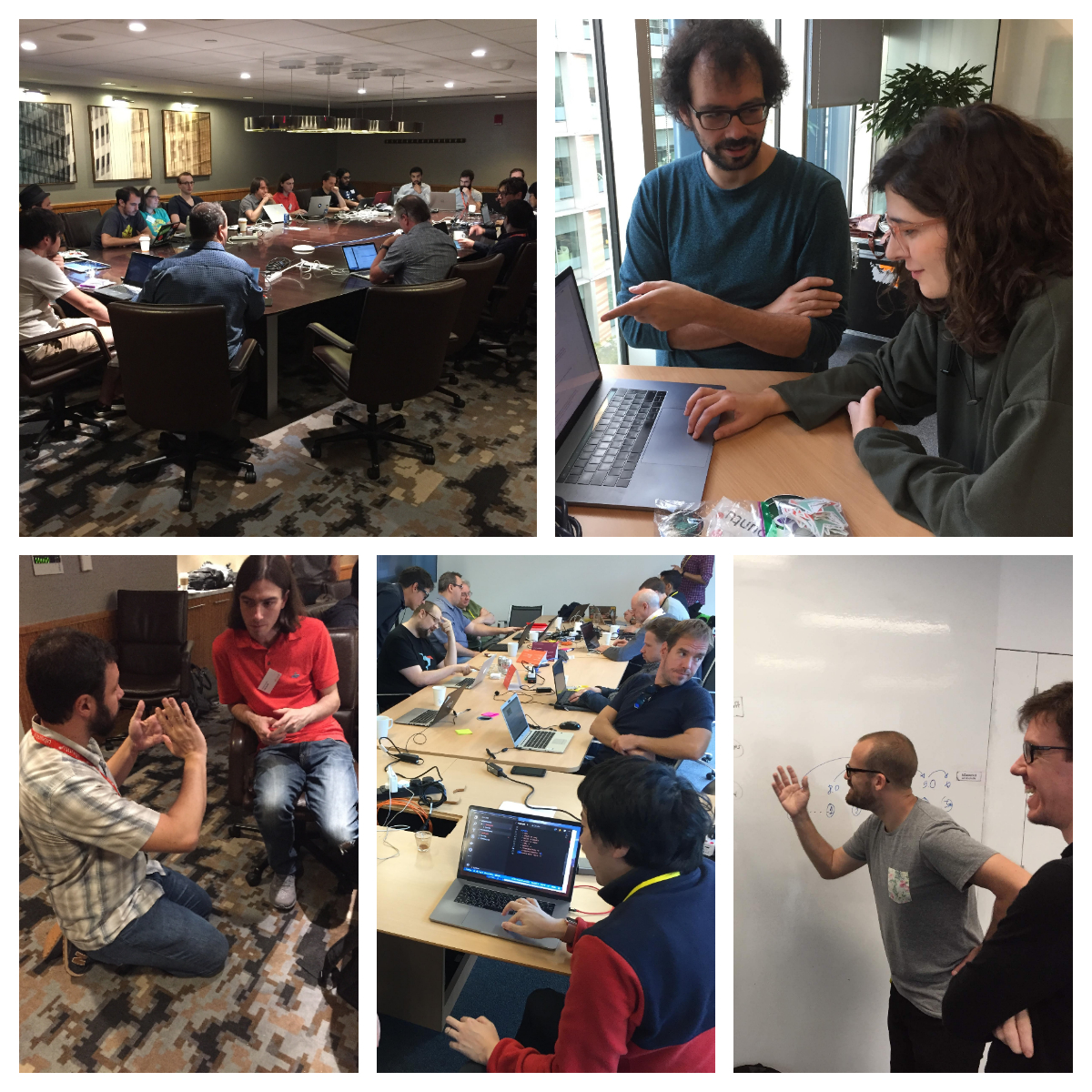
In January 2018, Dani Llewellyn joined her first Snapcraft Summit in Seattle in her role as a community Snapcrafter. At that event, we discussed her views on everything snap related from most requested snaps, new feature requests and popular discussion topics. Since then, snaps has grown across every metric and seen numerous new high prof

CMake is an open-source, cross-platform family of tools designed to build, test and package software. It is used to control the software compilation process and generate native makefiles and workspaces that can be used in any compiler environment. While some users of CMake want to stay up to date with the latest release, others want

As you probably know, there are many ways you can build snaps: locally using snapcraft, with CI systems like Travis, through Launchpad, and also via the free online Snapcraft Build Service. Now, a new preview feature called Remote build also allows you to build snaps for multiple architectures directly from the command line. This has
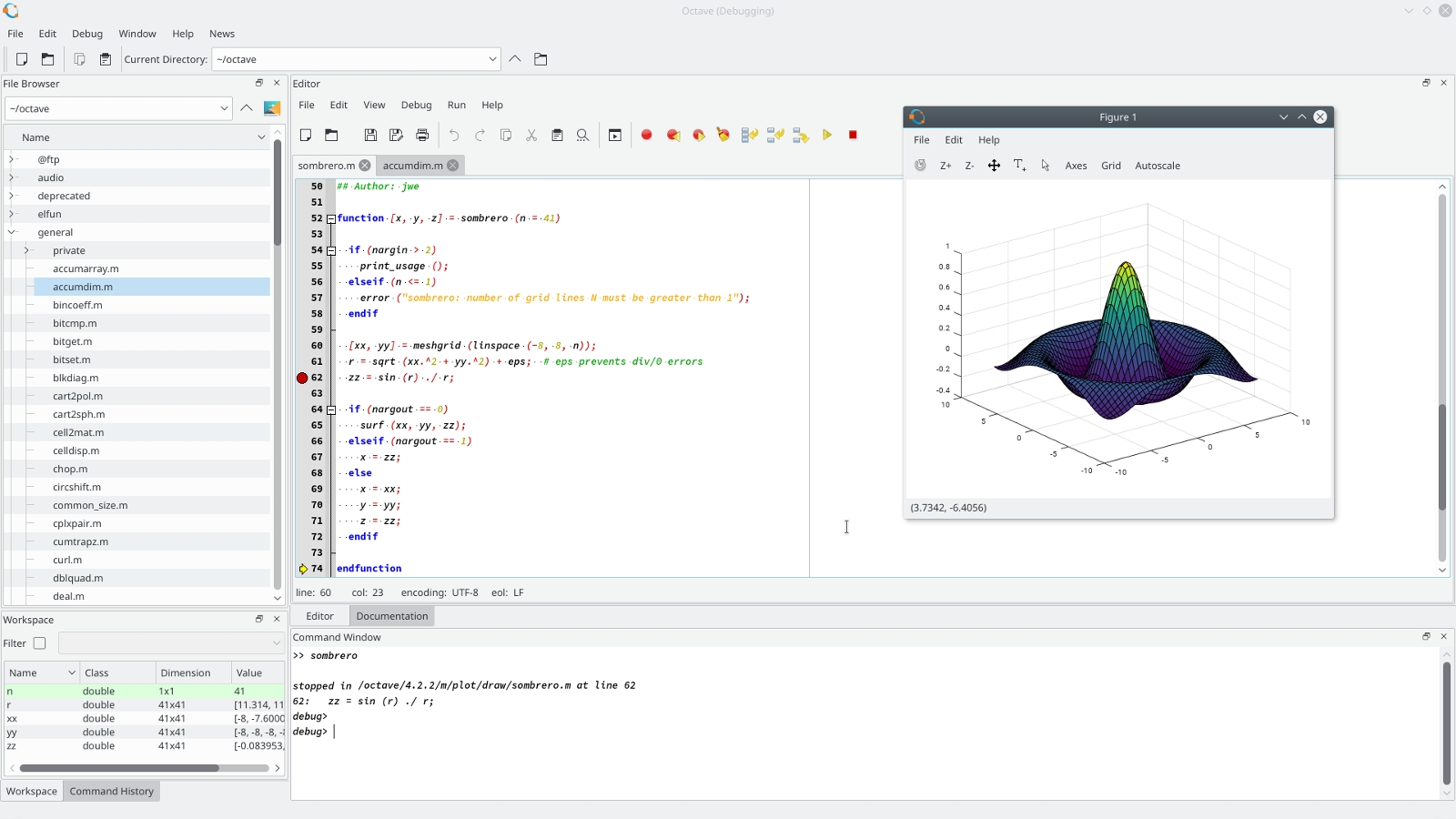
Octave is a numerical computing environment largely compatible with MATLAB. As free software, Octave runs on GNU/Linux, macOS, BSD, and Windows. At the 2019 Snapcraft Summit, Mike Miller and Jordi Gutiérrez Hermoso of the Octave team worked on creating an Octave snap in stable and beta versions for the Snap Store. As Mike and Jordi

Recently, we published several blog posts, aimed at helping developers enjoy a smoother, faster, more streamlined experience creating snaps. We discussed the tools and tricks you can employ in snapcraft to accelerate the speed at which you iterate on your builds. We want to continue the work presented in the Make your snap development fas